


|
Before CAD sculpting, Timex sent the designer's sketch to a sculptor. The sculptor would carve the element in a plastic material. There was no duplicate part.
Timex would send the completed plastic sculpture to a vendor in Hong Kong. The vendor would try to duplicate the 3D form in the production tool. It was very difficult to compare the original sculpt to the final cast part because the original would never be returned.
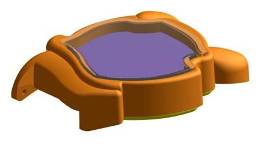
CAD sculpting was initiated to save the expense and time associated with physical sculpting. CAD models can be 'printed" on 3D printer such as SLA. Duplicate parts were made from casting. One part was kept and one part was sent to the Hong Kong Vendor.
The approved 3-D cad file was sent to the toolmaker. This eliminated most of the translation errors. It is because the 3-D cad file was used to produce the tool.
CAD: Unigraphics Render: Unigraphics |
|
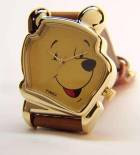
Pooh Head (CAD Sculpting); 1998 Designer: J. G. Brzezinski |

|
3D CAD file |
|
Final Watch |
|
Dave Quinlan |
|
Technical Translation for Design and Manufacturing |






|
Pooh Head watch |
